To raise money for polycystic kidney disease (PKD) research. There are two forms of PKD, both of which are genetic. The rare form, Autosomal Recessive PKD, affects about one in 20,000 individuals and usually causes death in infancy. The more common form, Autosomal Dominant PKD, affects one in 500 individuals and usually causes kidney failure by the time the patient reaches his or her 50s. It is one of the most common life-threatening genetic diseases, affecting 600,000 Americans and 12.5 million people worldwide. Autosomal Dominant PKD affects more people than Down syndrome, cystic fibrosis, muscular dystrophy and sickle cell anemia combined.
There is no cure or treatment for PKD. Kidney failure caused by PKD can only be treated with dialysis or kidney transplantation.
Three of the 600,000 Americans affected by PKD are in my family. My father's kidneys failed in his early 40s, and he has been extremely fortunate to have received two kidney transplants -- one from a family member and one from a cadaver donor. He has also had to battle multiple complications since the initial failure of his kidneys in the early 1980s, including diabetes as a result of decades anti-rejection medication post-transplant, resultant peripheral neuropathy and poor circulation in his legs, and liver failure caused by tainted blood he received in a transfusion decades ago. Twenty-five years living with a suppressed immune system leave him vulnerable to every opportunistic infection to come down the pike, and simple wounds such as scratches are slow to heal.
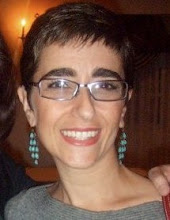
I was diagnosed with PKD in my late teens and have remained symptom-free up until a few years ago. At the age of 38 my blood pressure started reading high, which is the usual first sign that the kidneys are not doing their job properly. My kidneys and liver are quite enlarged, and I'm currently on blood pressure medication. I severely limit the animal protein in my diet to try to protect the 44% kidney function I have remaining (there is some evidence that the kidneys "work harder" to process proteins than other nutrients). I'm probably looking at dialysis or -- hopefully -- transplantation within the next 5 years.
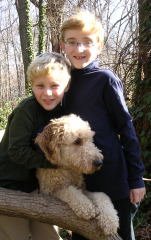
One of my young sons was in the hospital earlier this year for an unrelated matter, and an ultrasound technician noticed cysts on his kidneys, making him the third in line in our family to deal with this diagnosis.
The good news is that there are 16 clinical trials currently underway aimed at curing PKD -- stopping it dead in its tracks. Some of the compounds being tested show promise in halting the growth of the cysts, which, if effective, would prevent the eventual failure of the kidneys. These developments are thrilling and show real promise for the future generations of PKD patients -- like my son. This is why I'm getting involved, and this is why I'm sharing our story with everyone I know (and even people I don't--).
If you want to read more about PKD, visit the only foundation in the world dedicated to education and a cure specifically for PKD -- http://www.pkdcure.org/. This fantastic organization spends 81% of every dollar raised on program services -- research and education -- and my family is hoping to raise a total of $2,000 for them by the end of the summer.
Friday, July 6, 2007


Wednesday, July 4, 2007
I am surrounded by writers.
My mother is a Bona Fide writer -- a published poet, no less, and she journals daily, almost obsessively. My grandmother, at the ripe age of *redacted*, is also a published writer, with several essays having appeared in the newsletter of her assisted living community. My dad, an electrical engineer, is a writer of yet another sort; an eminent researcher, he has published multiple papers in his field. My older brother blogs; he likes having people argue politics with him (I gave that up years ago). My husband is an avid blog reader and commenter; he has lots of opinions about stuff that I find quite exhausting. He also writes wonderful song lyrics.
I am not a journal-keeper (at least, not since the agony of adolescence passed), I am not a writer (if you don't count writing the occasional strategic plan for work), I am not much of a navel-gazer, and I'm no longer an exhibitionist. I belong to only two chat boards and realized recently that I comment rarely. I am a listener, a reader, amongst talkers and storytellers. I'm the last person in the world I'd expect to be blogging.
So what's the story? The story is, we -- my husband, two boys, and I -- are embarking on an ambitious, scary project, and I want to document it. If anyone else finds it interesting to read about, that's cool. But mostly, I want to be able to look back on this summer and see it whole; to be able to point with pride at what we (hopefully) will accomplish, and to leave a record that my kids can tuck into their memory books to pull out and thumb over when they are grown.
No pressure.
I am not a journal-keeper (at least, not since the agony of adolescence passed), I am not a writer (if you don't count writing the occasional strategic plan for work), I am not much of a navel-gazer, and I'm no longer an exhibitionist. I belong to only two chat boards and realized recently that I comment rarely. I am a listener, a reader, amongst talkers and storytellers. I'm the last person in the world I'd expect to be blogging.
So what's the story? The story is, we -- my husband, two boys, and I -- are embarking on an ambitious, scary project, and I want to document it. If anyone else finds it interesting to read about, that's cool. But mostly, I want to be able to look back on this summer and see it whole; to be able to point with pride at what we (hopefully) will accomplish, and to leave a record that my kids can tuck into their memory books to pull out and thumb over when they are grown.
No pressure.
Subscribe to:
Posts (Atom)